
From site planning to final footing, we handle every layer of your riding arena construction.
At BedRock Siteworks, we handle every layer of the process: site evaluation, excavation, base construction, drainage systems, and footing preparation. Whether you are planning an indoor arena for year-round riding or an outdoor arena for seasonal use, our team delivers a solid foundation that protects your horses and your investment.
Choosing between an indoor or outdoor arena depends on your riding goals, budget, and how you want to use the space throughout the year. Both options require careful site preparation and proper drainage, but the design considerations differ.
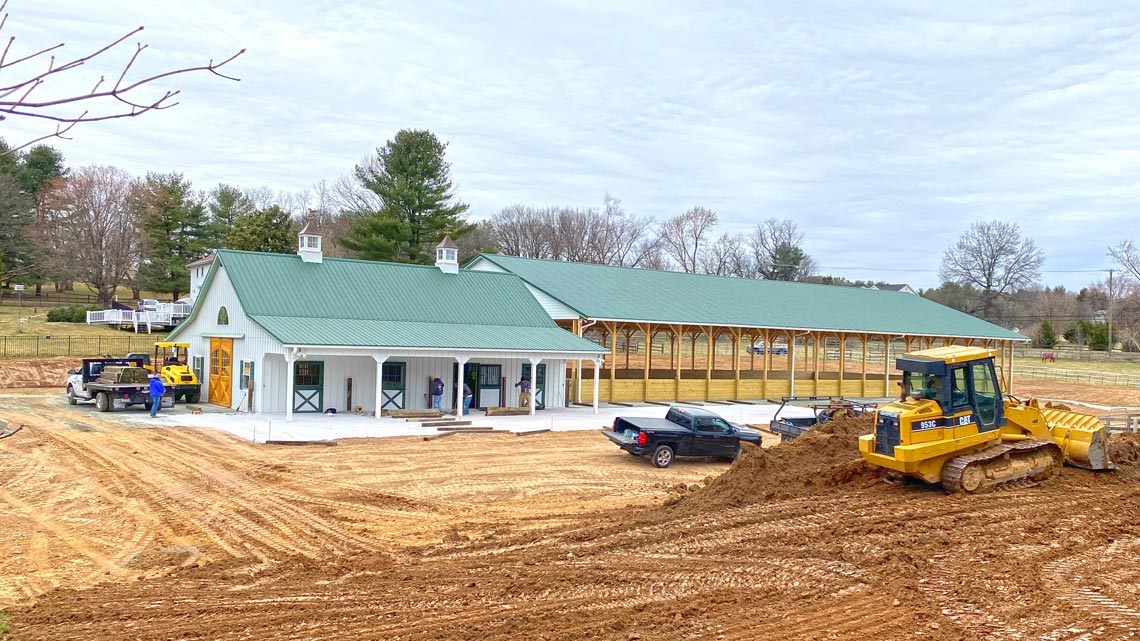
An indoor arena provides a controlled environment for riding regardless of weather. Rain, snow, and extreme heat no longer limit your training schedule. Indoor arenas require a solid, level foundation that supports the structure while maintaining proper drainage beneath the surface. The base must remain stable through freeze-thaw cycles and heavy use.
Key considerations for indoor arenas:
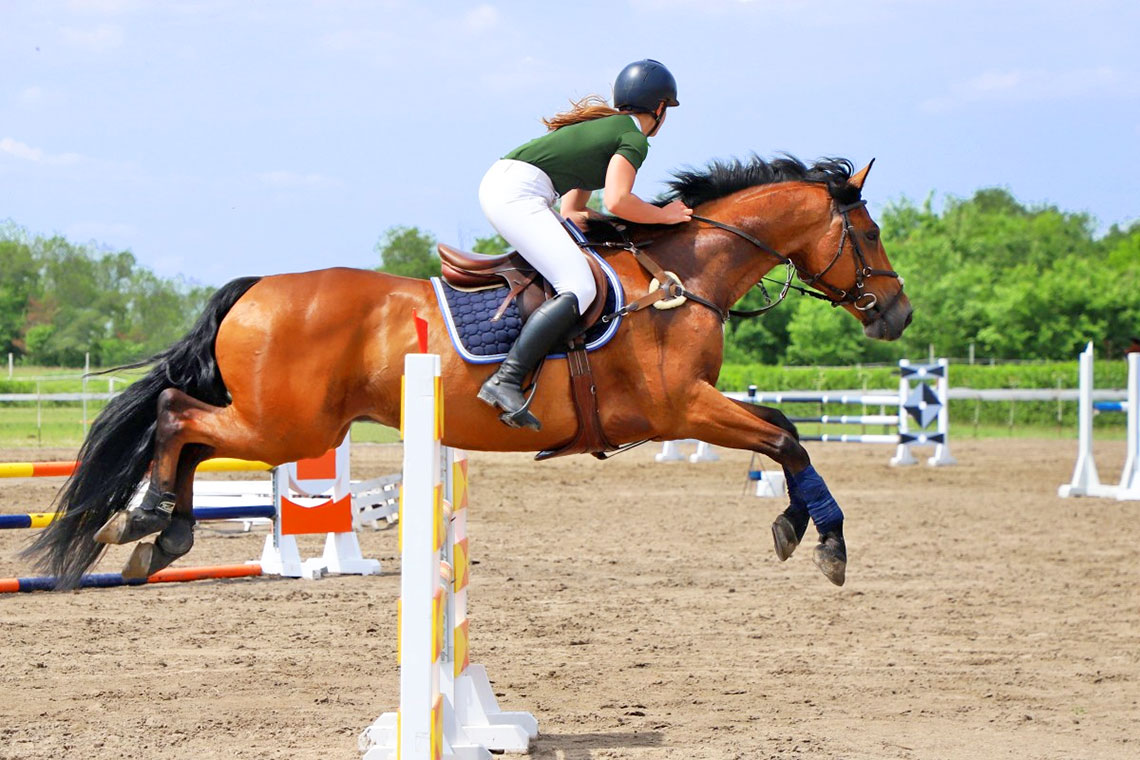
An outdoor arena offers a cost-effective solution for riders who want ample space without the expense of an enclosed structure. These arenas rely heavily on proper grading and drainage to remain usable after rain. We shape the terrain to encourage water runoff and install drainage systems that prevent pooling and erosion.
Key considerations for outdoor arenas:
Whether indoor or outdoor, the success of your arena relies on what happens below the surface. We plan for water management from day one so your arena drains properly, holds its shape, and stays ride-able.
Not all riding arenas are built for the same purpose. The footing composition and base construction differ depending on whether you are riding for pleasure, training for dressage, or jumping. We design and build arenas tailored to your discipline.

A pleasure riding arena prioritizes a forgiving, low-maintenance surface that works well for casual riding and general training. The footing provides cushion and traction without requiring intensive upkeep.
Recommended construction:
This combination offers a comfortable ride for horses while keeping maintenance manageable. It is ideal for backyard arenas and small boarding facilities where daily grooming is not always possible.
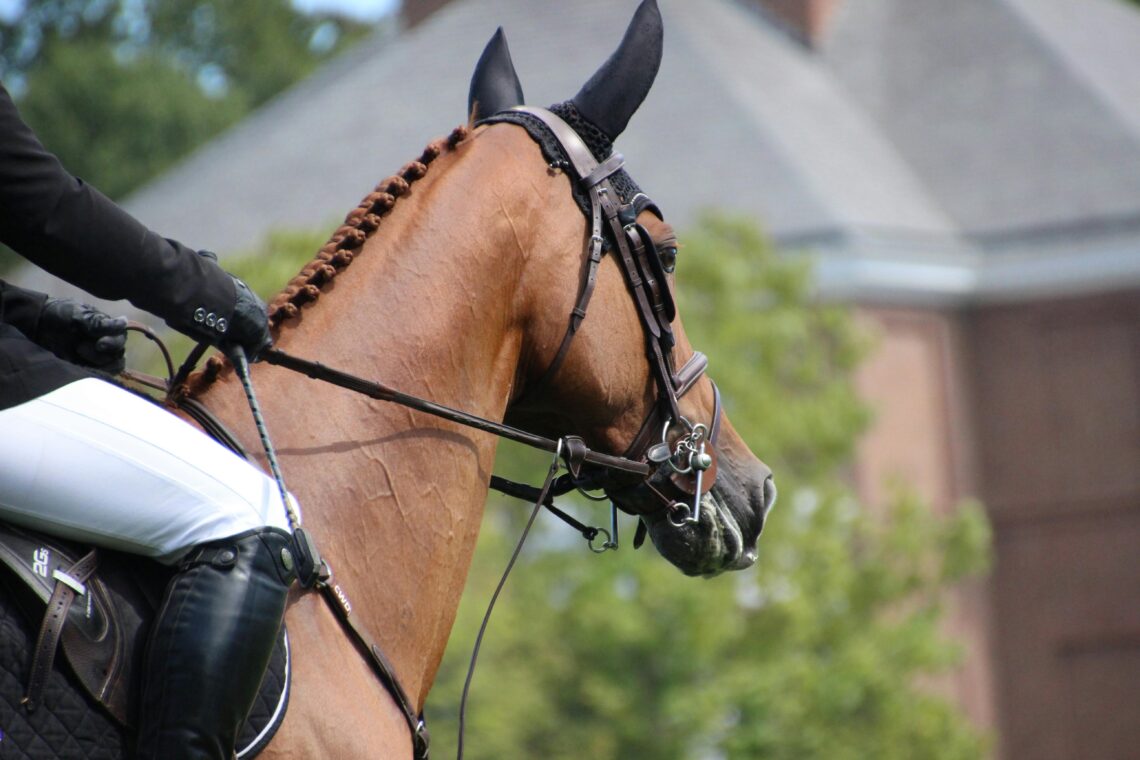
Dressage requires precision and consistency. The footing must support fluid movement, shallow footing depth, and even contact. A dressage surface should allow the horse to work through its back without sinking or slipping.
Recommended construction:
The multiple layers create a stable base that prevents shifting while allowing water to drain efficiently. This keeps the surface consistent for training and competition preparation.
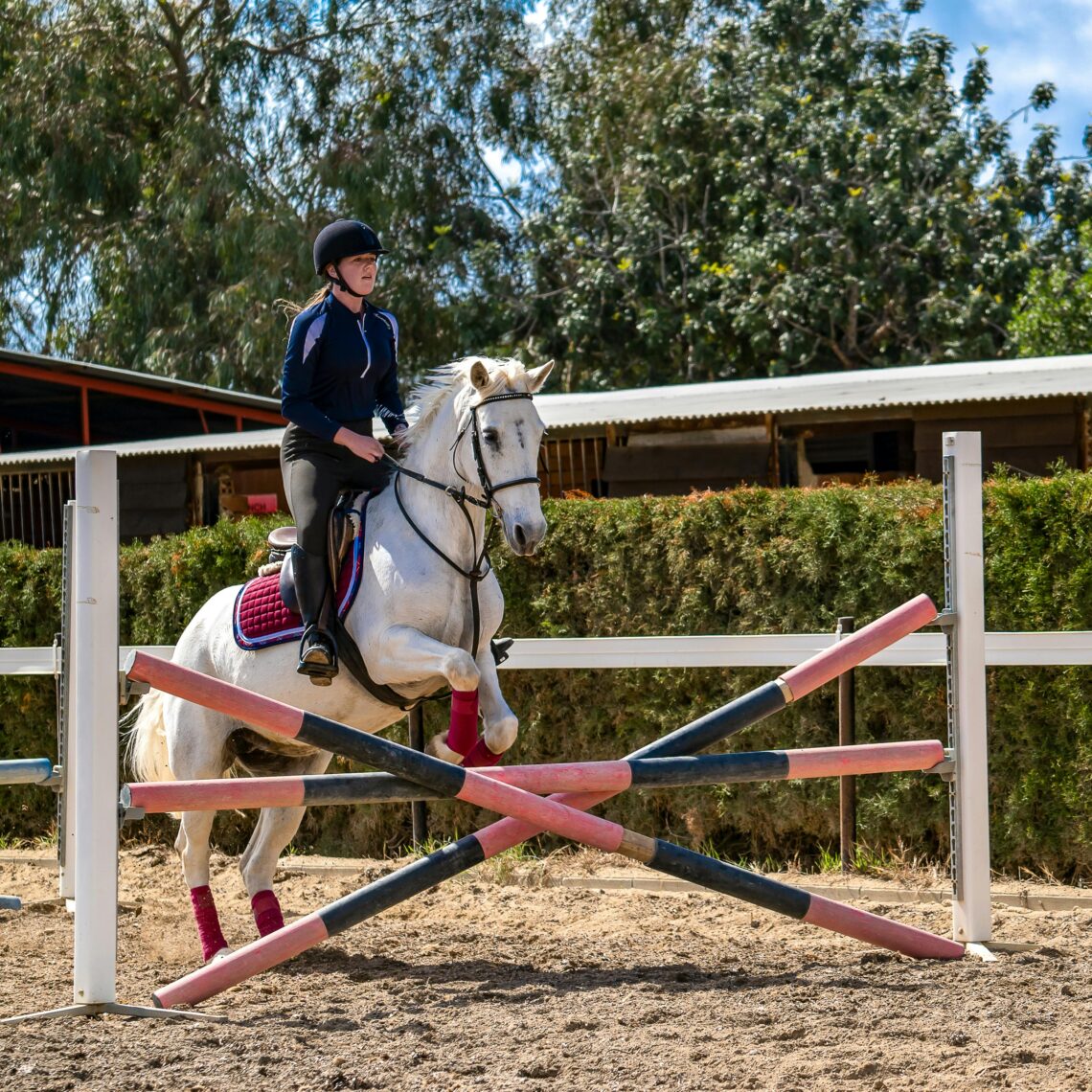
Jumping places the highest stress on both horse and rider. The footing must absorb impact while providing secure takeoff and landing support. This requires more robust drainage and a base that can handle repeated high-impact use.
Recommended construction:
The higher fiber content provides the cushion and cupping needed for jumping. The perimeter drainage directs surface water away from the site, protecting the base during heavy rain.
We can also customize footing blends with rubber, felt, or other additives depending on your preferences. For riders seeking a premium surface, we recommend the OTTO Sport Perforated Mat System. This system improves cushion, retains moisture, removes excess water, and reduces maintenance over time.
Drainage requirements vary by site and usage. We evaluate each property to recommend the right drainage approach based on soil conditions, site slope, and how quickly the arena needs to be rideable after rain. Professional and high-traffic facilities typically require more robust drainage systems.
Building a riding arena involves more than clearing space and spreading material. Every layer matters, and each step builds on the previous one. Our process ensures your arena is constructed correctly from the ground up.
We start by assessing your property. This includes existing terrain, soil conditions, natural water flow, and how the arena connects to other structures on your land. We consider access points for equipment and horses. If your project requires permits or engineered site plans, we guide you through that process.
Once the site is planned, we excavate to the proper depth. This creates a level working surface and removes organic material that could compromise the base. We grade the site with intentional slope or crown, depending on the drainage design. For outdoor arenas, this step is critical for long-term usability.
Water management is the single most important factor in arena longevity. We install drainage systems tailored to your site conditions. This may include perimeter drains, herringbone drains beneath the surface, or swales and berms to redirect runoff. Drainage decisions are made during planning, not as an afterthought. Learn more about our comprehensive drainage solutions.
The base is the foundation of your arena. We install layers of carefully selected aggregate, compacted to create a solid, level surface. Geotextile fabric separates the base from the sub-base, preventing material migration and maintaining drainage capacity. The base supports the footing material and protects it from compaction and erosion.
The final layer is the footing material you will ride on. We spread and level the footing to the proper depth for your discipline. We work with you to select the right composition for your needs, whether that is a basic sand blend or a high-performance fiber mixture.
Proper drainage separates an arena that lasts from one that needs constant repair. Water that pools on the surface or saturates the base leads to compaction, uneven footing, and eventual structural failure. We build drainage into the design from the beginning.
For many outdoor arenas, we create a gentle crown down the center of the arena. This encourages water to flow toward the edges where drains collect and carry it away. The slope is subtle enough to ride on but effective for water management.
For sites with heavy clay soil or high water tables, we install herringbone drains across the arena floor. These systems sit beneath the base and connect to perimeter drainage. They handle high water volumes and keep the sub-base dry.
We use geotextile fabric between each layer of the arena as needed. This separation prevents fine materials from migrating into the drainage stone and clogging the system. It also adds stability and extends the life of your arena.
We shape the land around your arena to redirect surface water before it reaches the site. Swales channel water away, while berms act as barriers. This protects your arena from runoff that could otherwise flood the surface or erode the base.

A well-built arena protects your horses, supports your training goals, and saves you money over time.
Horse and Rider Safety – Uneven surfaces, poor drainage, and compacted footing increase the risk of injury. A proper base absorbs impact and provides consistent support. Good footing reduces strain on tendons and joints, helping your horse stay sound through years of training.
Long-Term Cost Savings – Repairs to a poorly constructed arena add up quickly. Re-draining a site, re-grading a base, or replacing contaminated footing costs far more than building it right the first time. We focus on getting the foundation correct so your arena performs for years, not months.
Performance Consistency – For competitive riders, consistency matters. A well-constructed arena holds its shape, drains predictably, and maintains footing quality. This allows you to train effectively and prepare for competition without fighting the surface.
We consider the entire picture before excavation begins. Water management, site grading, drainage paths, and footing selection all factor into the plan. This means your arena is built to last, not just built to fill space.
We use robust construction methods and quality materials designed for long-term performance. A well-built base and drainage system protect your investment and reduce maintenance over time.
Navigating arena construction can feel overwhelming. We act as your project partner, providing clear insights and proactive solutions. You do not have to figure out the technical details alone.
From initial consultation to final grading, we manage every phase of your project. This ensures clear communication, coordinated scheduling, and accountability from one trusted partner.
We are passionate about creating spaces that work for you and your horses. Whether you are building a small pleasure arena or a professional training facility, we bring the same attention to detail and commitment to quality.
With over 20 years of sitework expertise, BedRock understands the demands of equestrian properties. We know how to handle the specific grading, drainage, and base requirements that keep your arena safe and functional for years of use.
Needing a pad to park my motor home , I reached out to a few contractors for quotes. Bedrock were the only ones that replied and with a reasonable quote. We scheduled... read more the work, and a week early they called to see if they could do it early (what contractor ever is early). They did the job in a few hours, and I am very pleased. The final product exceeded my expectations for sure. The motor home is not in the mud, but on it's driveway. Definitely would hire them again if/when I need to.

The team at BedRock was very professional from start to finish. They installed a one hundred fifty foot dry stream bed for drainage on our property. They worked with... read more us on a design, provided an estimate in a timely manner and were out early to work each day. For each step of the project, there was clear communication of what would be completed. They worked with us to position and sometimes reposition boulders to our liking. They left the work area clean each day. We were very satisfied and would highly recommend BedRock for outdoor projects

FAQs About Gravel & Concrete Driveway Installation
Outdoor arenas face direct exposure to rain, snowmelt, and runoff. They require more aggressive drainage design, including crown grading, perimeter drains, and sometimes herringbone systems beneath the base. Indoor arenas still need drainage, but the focus shifts to managing water that enters through the foundation or from footing maintenance. Both require a properly constructed base to prevent water damage.
Timeline depends on site conditions, arena size, weather, and whether the arena is indoor or outdoor. A straightforward outdoor arena may take a few weeks, while a complex site with drainage challenges or an indoor structure will take longer. We provide a detailed timeline with your project quote.
The best footing depends on how you use your arena. Pleasure riding works well with a simpler sand and fiber blend. Dressage benefits from a more consistent, shallow surface with less give. Jumping requires higher fiber content and robust drainage for impact absorption. We help you select the right composition for your needs and budget.
Permit requirements vary by location and project scope. Some municipalities require permits for site work, drainage, or structures. We guide you through the permitting process and help you understand what is required for your property.
Yes. We excavate and grade sloped sites to create a level arena surface. This often involves cutting into the slope on one side and building up the other. Proper drainage becomes even more important on sloped terrain to prevent water from flowing into the arena.
Regular grooming keeps the surface level and prevents compaction. Dragging the arena redistributes the footing material and loosens compacted areas. Dust control, watering schedules, and periodic replenishment depend on your footing type and use. We can discuss maintenance recommendations based on your specific arena.
Click on counties to see additional details for your area.
Don’t see your specific location listed? Contact us! We often serve neighboring areas and are always ready to discuss your project needs.
Ready to turn your equestrian vision into reality? We are here to answer your questions and provide expert guidance from the first call to the final grade. Whether you have a clear plan or are just starting to explore options, we are ready to help.