How to Plan Drainage For Your Pole Barn
A new pole barn is a valuable addition to your property, whether you’re using it for equipment storage, a workshop, agricultural needs, or additional space. But before construction begins, it’s important to consider one thing that can have a major impact on the longevity of your building: drainage.
Water that isn’t properly managed can lead to standing water, soil erosion, muddy areas, and even problems with the stability of your building’s foundation. Planning for proper drainage from the beginning helps protect your investment and prevents costly corrections down the road.
At BedRock Siteworks, we believe drainage should be part of the initial site planning process, not an afterthought. Here’s what to consider when planning drainage for your new pole barn and how our team can help.
1. Start With a Site Evaluation
Before determining what drainage solutions your pole barn needs, it’s important to understand how water currently moves across your property.
Every property has different slopes, soil conditions, and drainage challenges. That’s why our first step is evaluating the site and its surroundings. We look at the proposed building location, existing grades, neighboring properties, and any visible signs of erosion or poor drainage.
Some things we look for include:
- Existing slopes: Does the property naturally slope toward or away from the proposed building location?
- Standing water: Are there areas where water already collects after rainfall?
- Signs of erosion: Are there existing washouts, exposed roots, or channels where water has been running?
- Surrounding properties: How does water flow from neighboring land, and could runoff affect the proposed building site?
- Soil conditions: Does the soil drain well, or does it tend to hold moisture?
Understanding these conditions helps us identify potential problems before construction begins and determine what needs to happen to create a stable, well-drained building site.
2. Plan the Right Building Elevation and Grading
One of the most important parts of preparing a pole barn site is establishing the correct elevation.
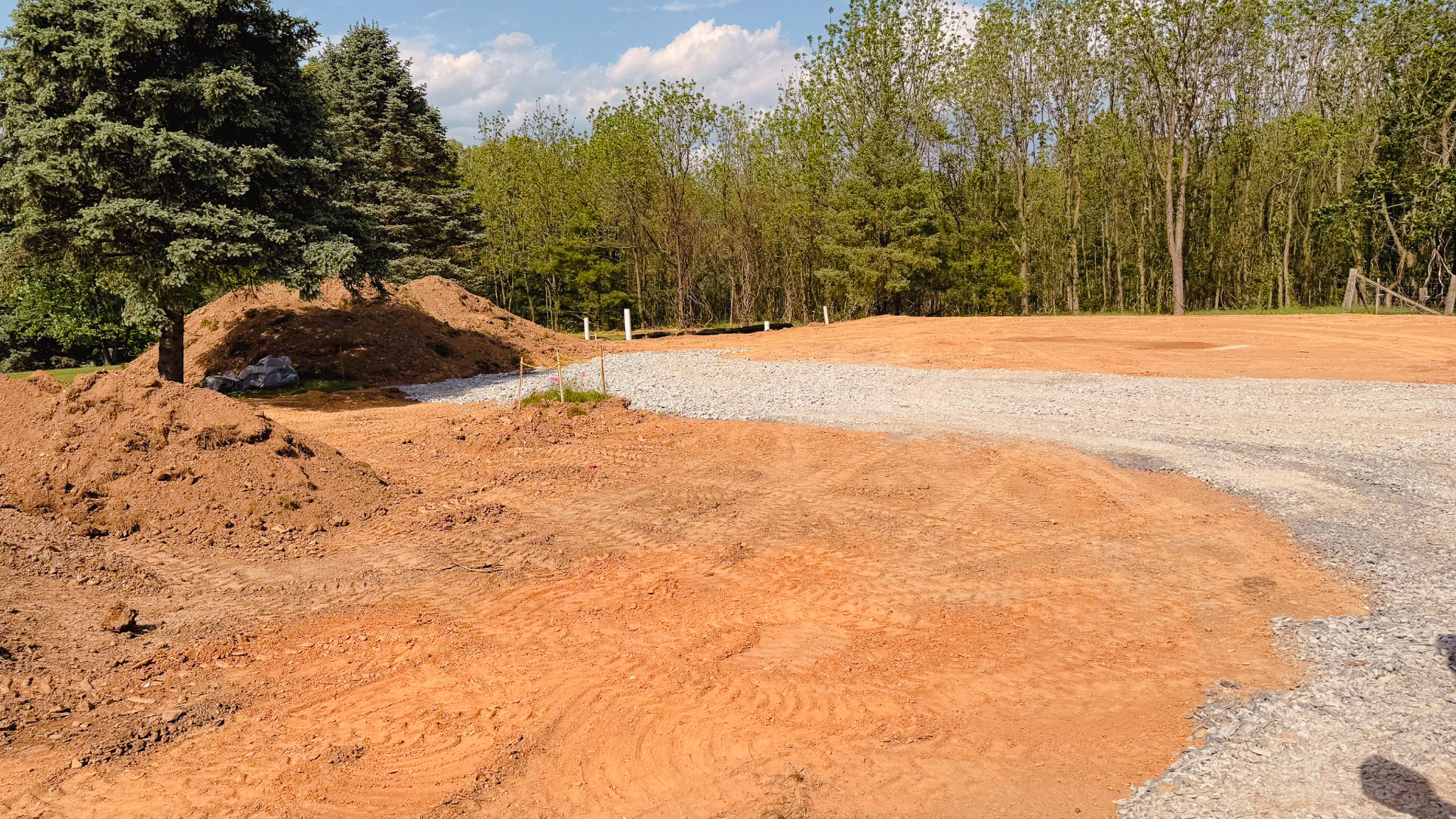
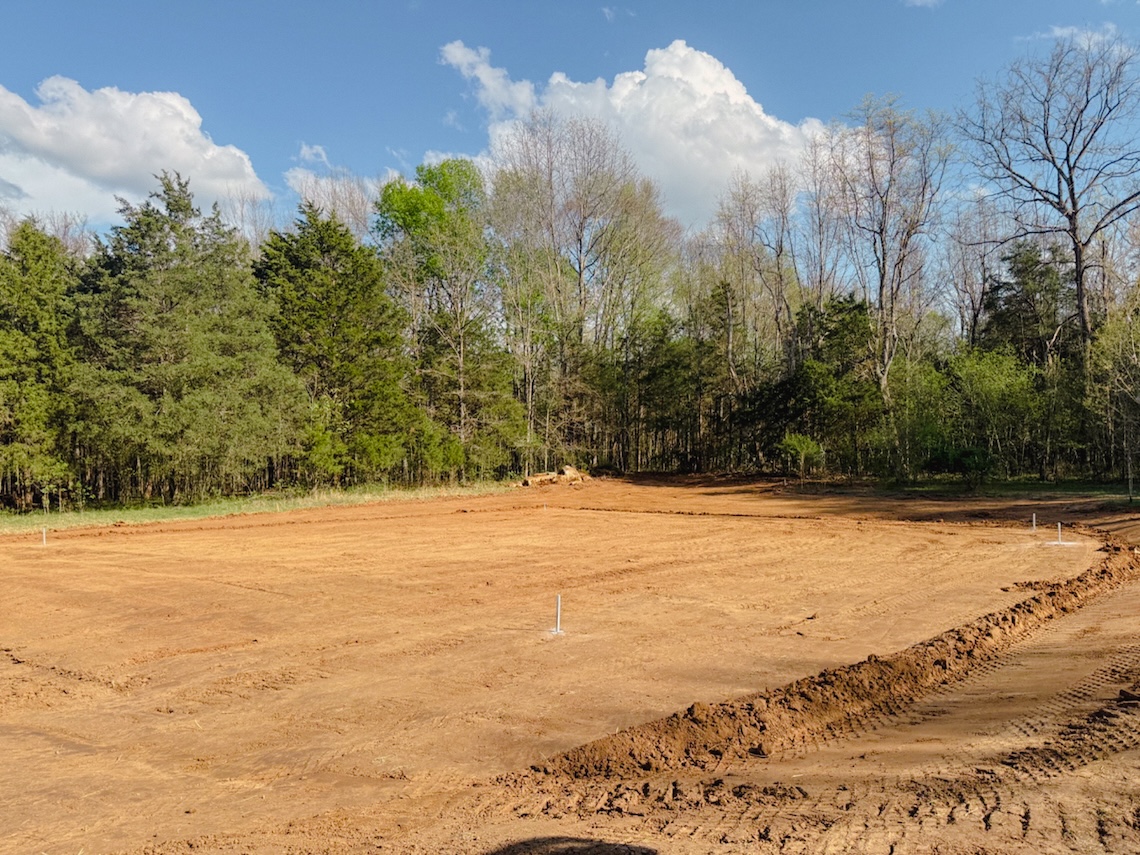
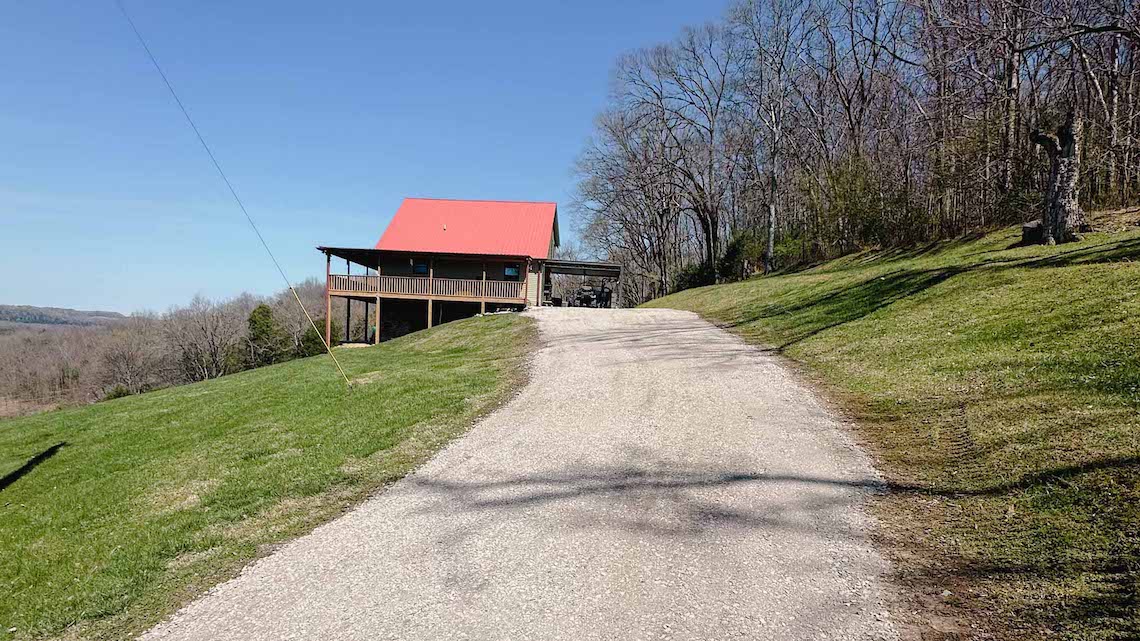
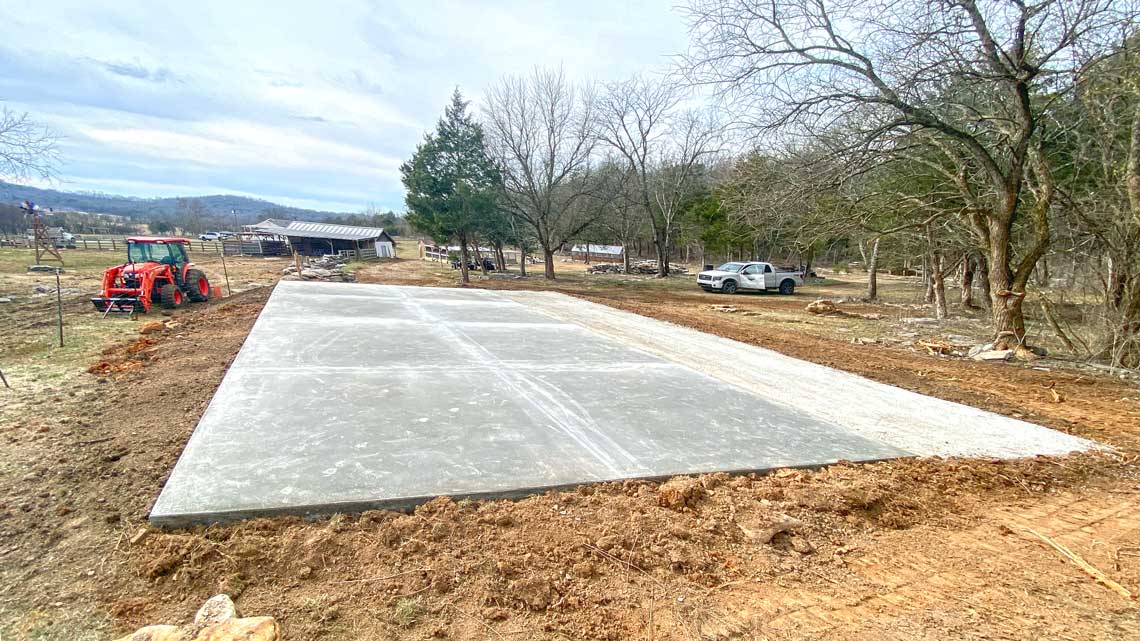
Depending on the natural slope of your property, the building area may need to be built up with additional soil and stone to create a level, stable base. Simply leveling the ground isn’t always enough. The finished site also needs to account for where water will go once the building is in place.
We plan the grading so water can move away from the pole barn rather than collecting around the building or underneath the structure.
This may involve:
- Building up low areas to establish the proper building elevation.
- Creating positive slopes away from the building.
- Regrading surrounding areas to direct runoff along controlled paths.
- Establishing swales or drainage channels to guide water away from the site.
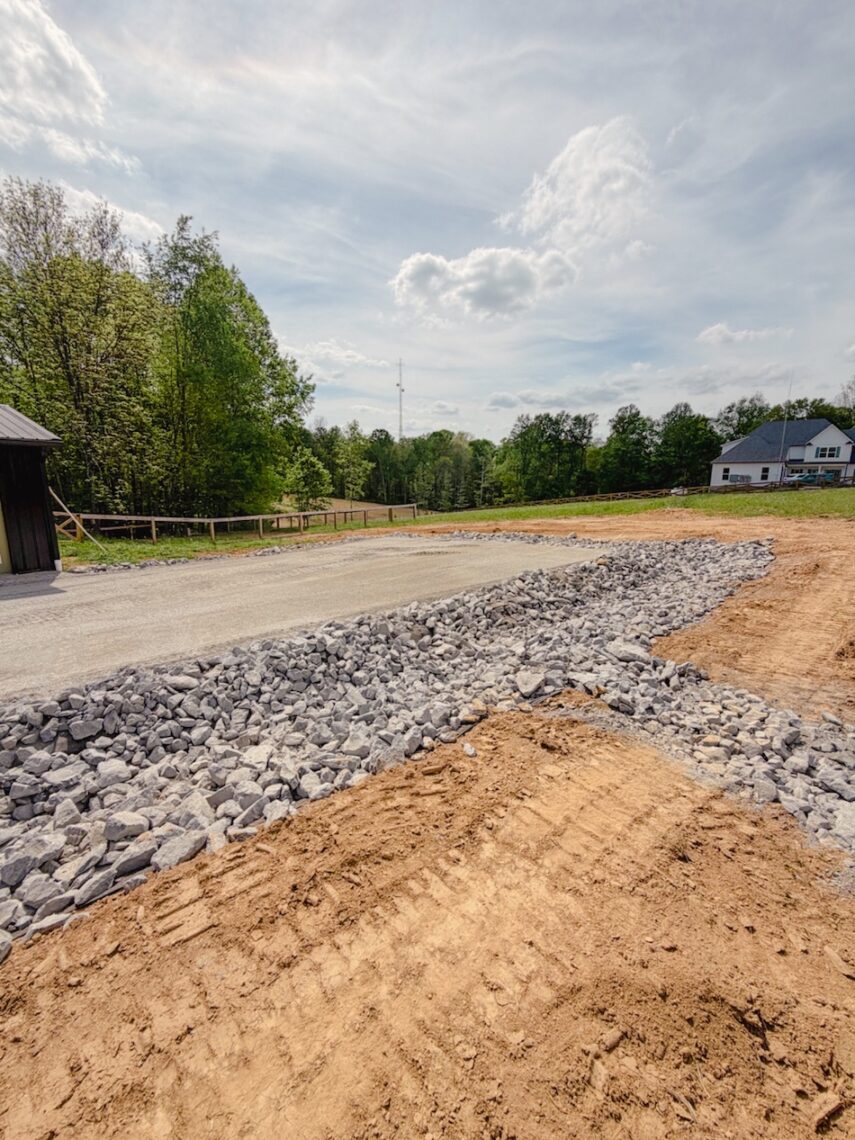
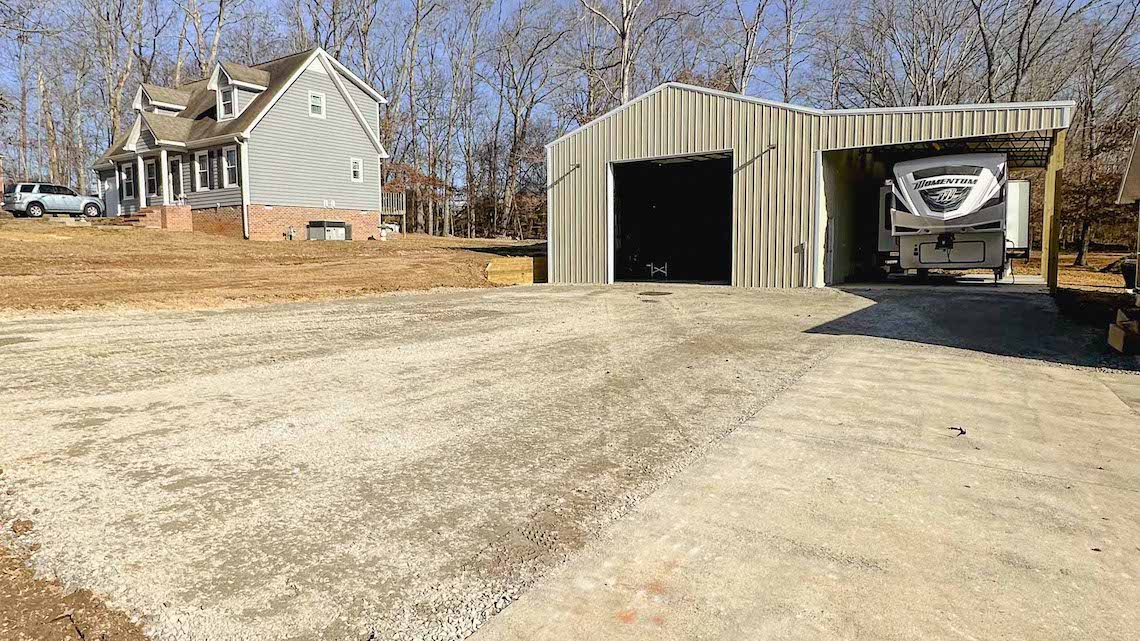
- Providing a stable stone base while maintaining proper drainage around the building.
Getting the elevation and grading right from the beginning helps reduce the risk of standing water, erosion, and other problems that can be difficult and expensive to correct later.
3. Determine What Drainage Solutions Your Site Needs
Not every pole barn requires the same drainage system. Some properties can be managed with proper grading alone, while others need additional drainage solutions to handle larger amounts of water or challenging site conditions.
After evaluating your property, we determine which solutions will work best for your building and surrounding landscape.
Surface Water Management
When rainwater runs across the property, strategic grading can help direct it away from the building. Depending on the site, we may incorporate swales, drainage channels, catch basins, or dry creek beds to collect and redirect surface water.
Underground Drainage Systems
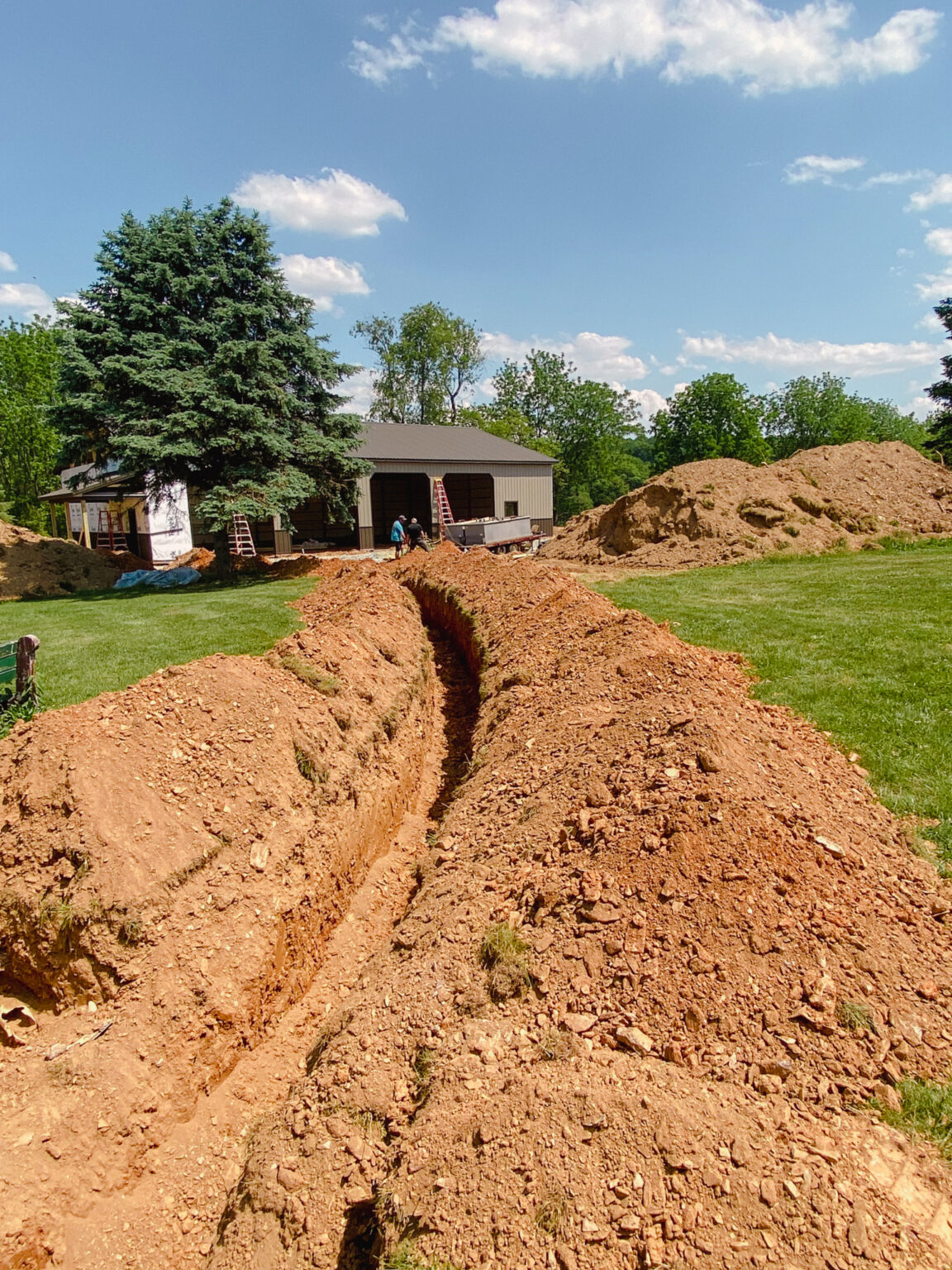
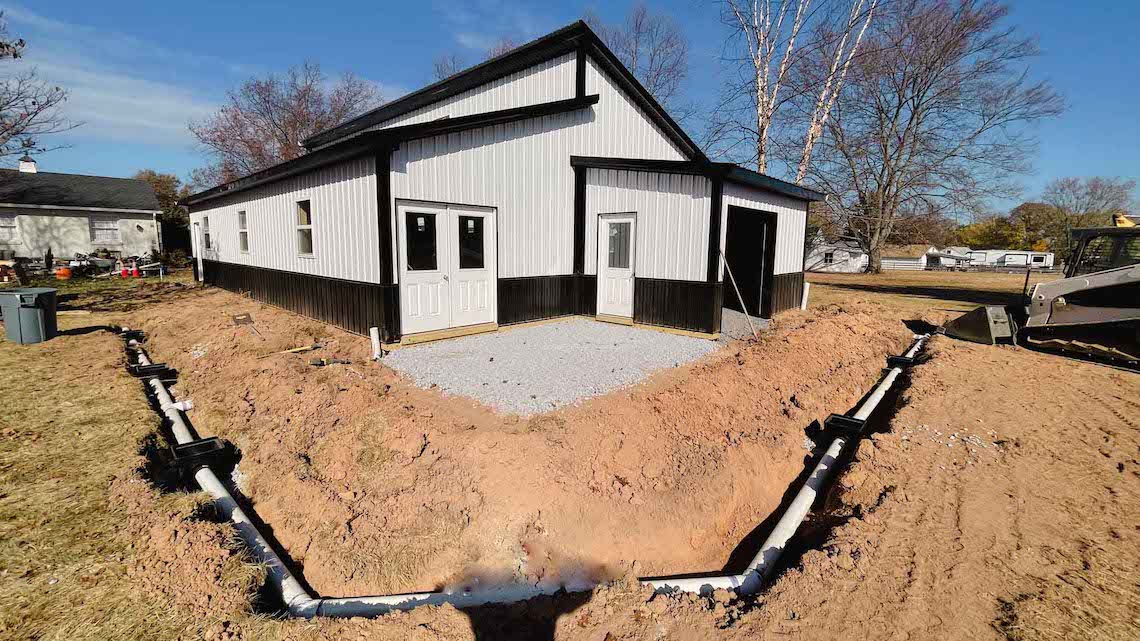
Some drainage problems happen below the surface, where water collects in saturated soil. In these situations, underground piping or French drain systems can help collect and redirect water to an appropriate discharge location.
Roof Runoff Management
A pole barn's roof can collect a significant amount of rainwater. Without a plan for where that water will go, runoff can create erosion around the building and wash away surrounding soil. Connecting downspouts to underground drainage piping or directing runoff into a planned drainage area can help manage this water.
Erosion Control and Slope Stabilization
If your building site has steep slopes or areas prone to washouts, additional grading and stabilization may be needed. Stone, drainage channels, and other erosion-control methods can help protect the surrounding property and maintain a stable site.
The goal is to create a drainage plan that works with your property’s natural conditions and provides a practical solution for the long term.
4. Understand Local Requirements and Permits
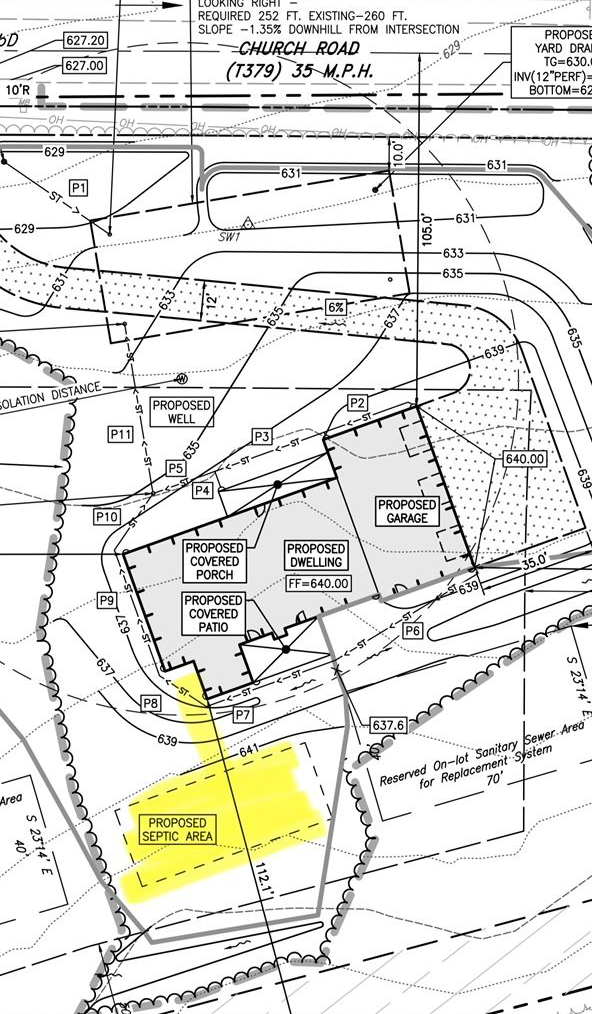
Drainage planning isn’t just about where water should go. Depending on your location, building size, and the amount of land being disturbed, there may be township or local stormwater management requirements to consider.
Some projects require drainage plans, stormwater controls, or additional documentation before work can begin.
At BedRock, we help customers navigate these early requirements by working with local townships and coordinating with the appropriate parties to understand what is needed for their project.
Addressing these requirements early helps avoid delays, unexpected expenses, and changes to the site plan once construction is underway.
5. Coordinate Drainage With the Rest of Your Pole Barn Project
Drainage, grading, and the building foundation all work together. That’s why it’s important to consider them as part of one overall site plan.
For example, the location and elevation of your pole barn will affect how water moves around the building. Driveway access, surrounding grades, and underground drainage lines also need to be considered before construction begins.
Planning these details together helps avoid having to rework completed areas or install drainage systems after the building is finished.
At BedRock Siteworks, we work with you through the early stages of planning to help coordinate the site preparation, grading, stone base, and drainage needs. Our goal is to make sure the site is properly prepared and the different parts of your project work together.
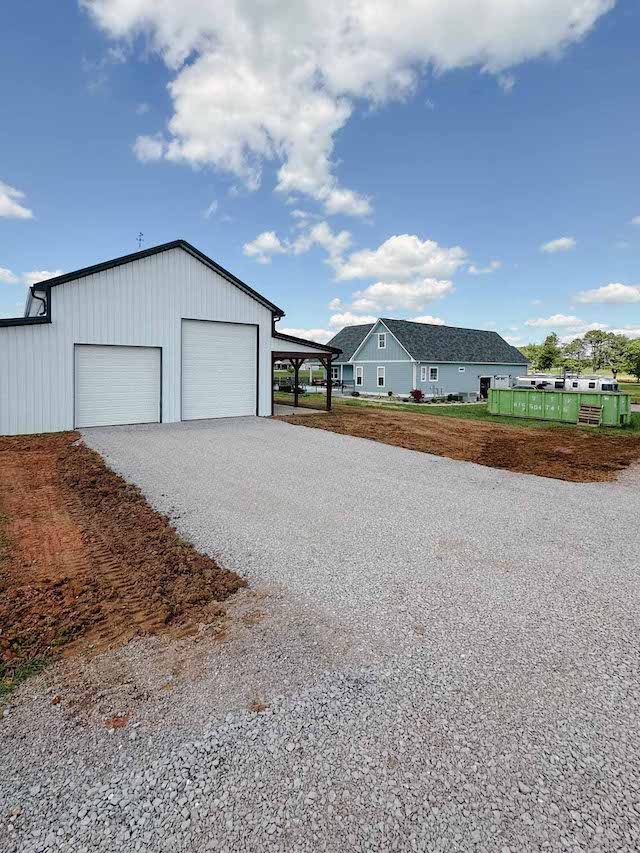
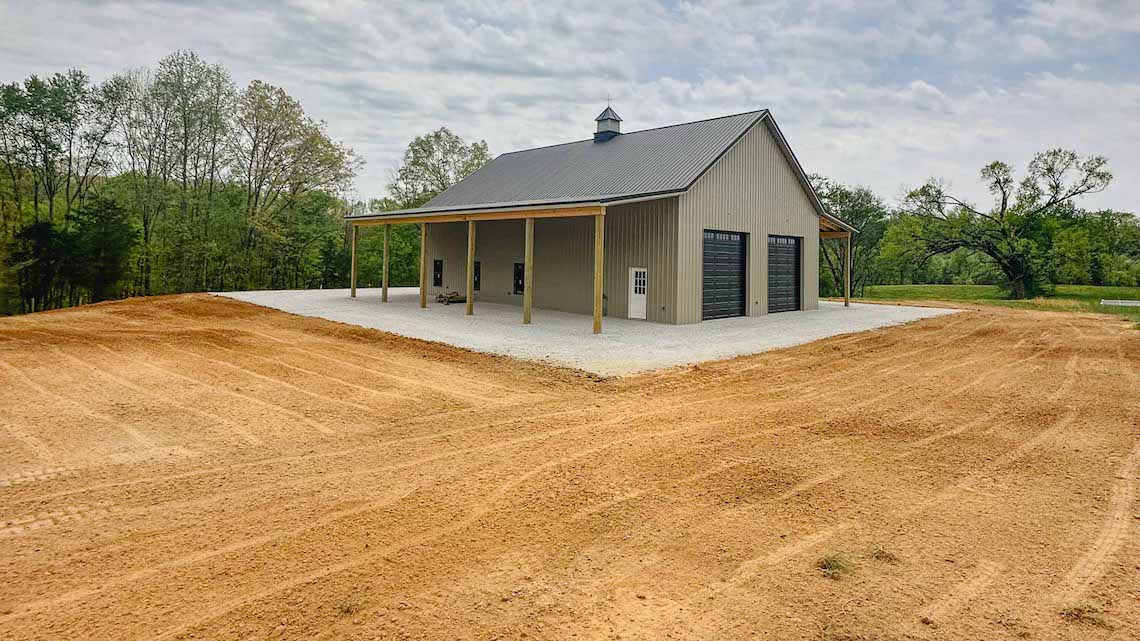
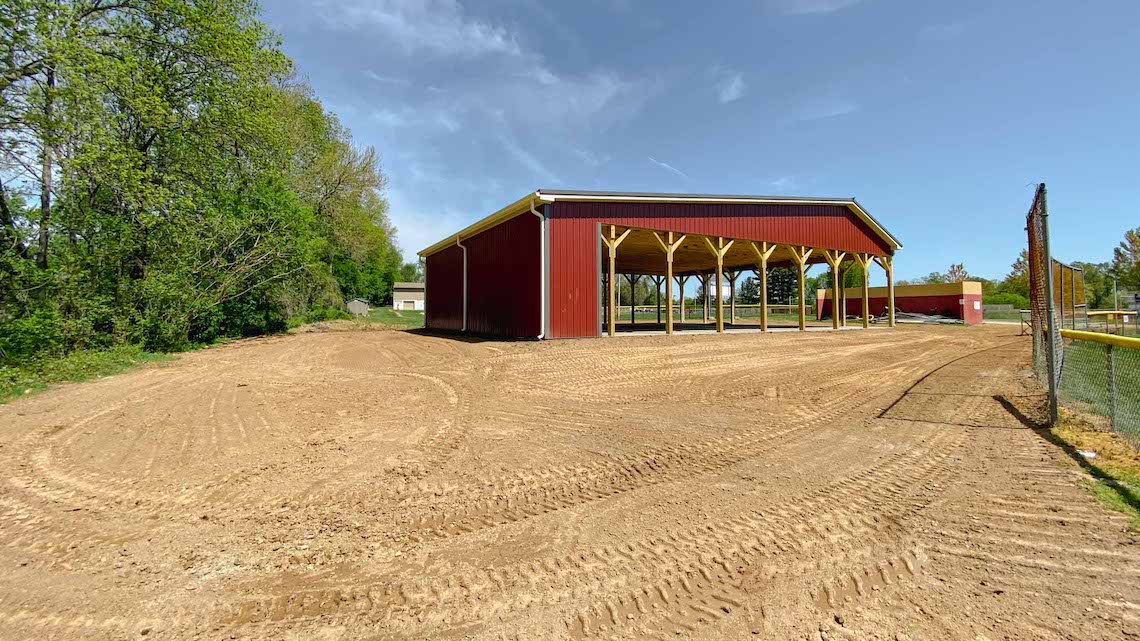
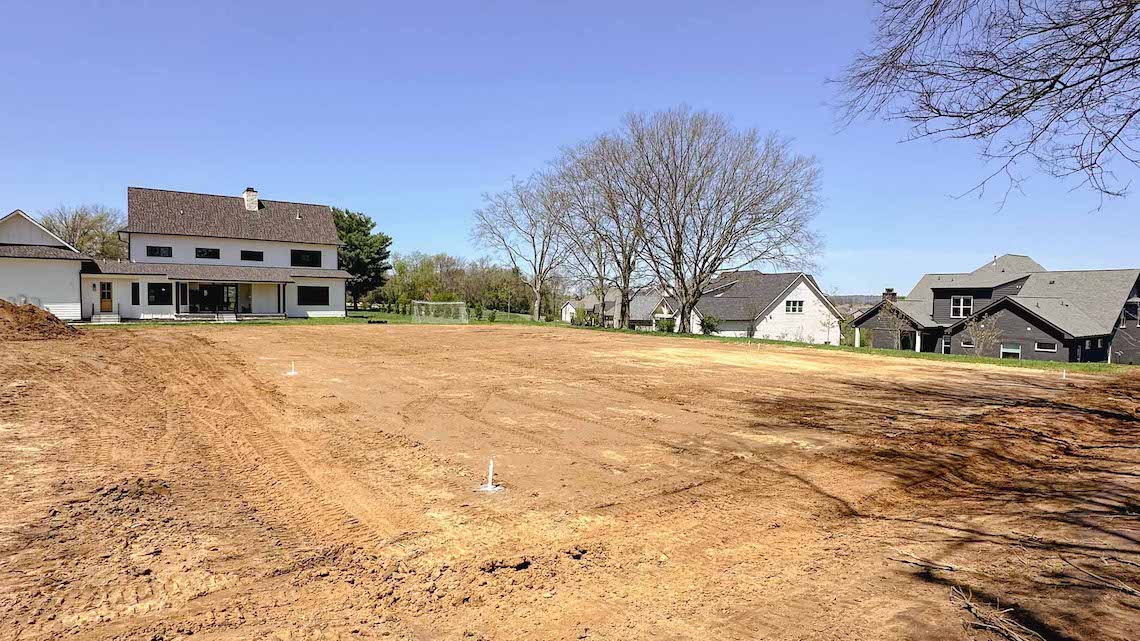
Featured Projects: Pole Barn Planning and Sitework
Start Your Pole Barn Project With a Plan
Planning a new pole barn? Contact BedRock Siteworks early in the process. We’d be happy to walk through your project, help you understand what’s needed, and provide a plan for getting your site ready for construction.